
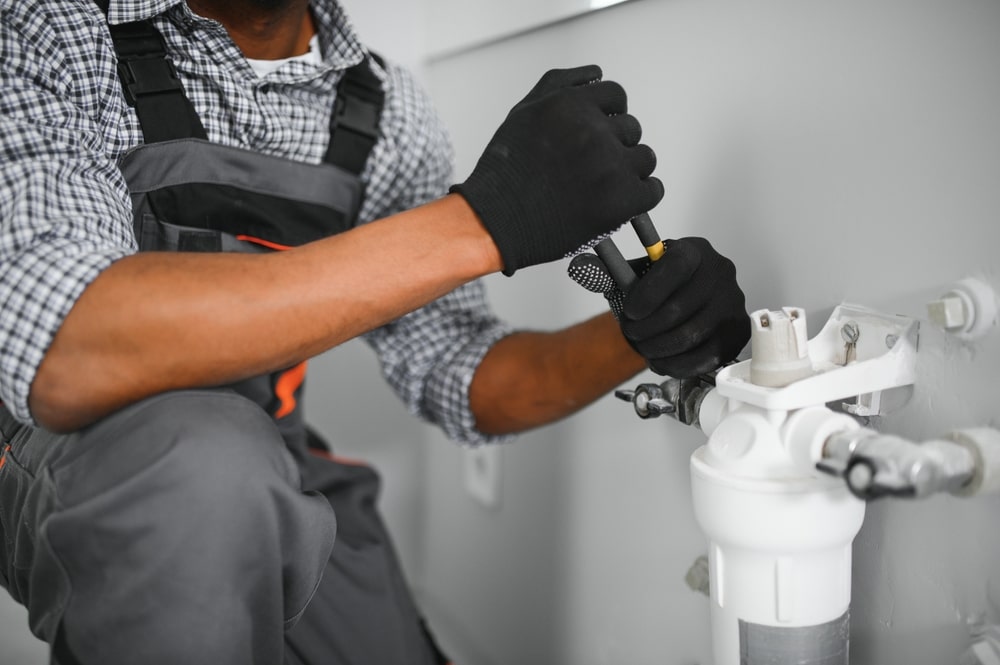
A plumbing emergency can happen when you least expect it—burst pipes, basement flooding, sewer backups, or overflowing toilets. These situations not only disrupt daily life but can also cause thousands of dollars in damage if not handled quickly. For homeowners in Richmond Hill, where cold winters and seasonal storms put extra pressure on plumbing systems, having an emergency plumbing response plan is essential.
In this article, we’ll walk you through how to prepare for plumbing emergencies, step-by-step, and explain how professional plumbing in Richmond Hill can help keep your home safe and secure.
Why You Need an Emergency Plumbing Response Plan
-
Minimize damage: Quick action reduces water damage and repair costs.
-
Ensure safety: Knowing what to do helps protect your family from electrical hazards and contaminated water.
-
Peace of mind: You won’t be scrambling for solutions during a crisis.
1. Know Your Main Water Shut-Off Valve
The first and most important step in any plumbing emergency is shutting off the water.
-
Locate your main shut-off valve (usually in the basement, near the water meter, or where the main line enters your home).
-
Make sure every adult in your household knows where it is and how to turn it off.
-
Test the valve periodically to ensure it’s working.
If you’re unsure, a local plumber specializing in plumbing in Richmond Hill can help you locate and label it for easy access.
2. Keep Essential Tools and Supplies Ready
Create a small plumbing emergency kit that includes:
-
A pipe wrench
-
Plumber’s tape (Teflon tape)
-
A bucket and towels
-
A plunger
-
A flashlight
-
Rubber gloves
These basic tools can help you contain small problems while you wait for professional help.
3. Have Emergency Plumbing Contacts Handy
When an emergency strikes, you don’t want to waste time searching online for a plumber.
-
Research and save the number of a trusted 24/7 plumbing in Richmond Hill service.
-
Keep the contact info posted in your home and saved in your phone.
-
Ask if they provide same-day or emergency response times.
4. Identify Common Risks in Your Home
Every home is different, and knowing your vulnerabilities can help you prepare:
-
Older homes may have aging pipes prone to leaks.
-
Basements in Richmond Hill are at risk of flooding during heavy rain.
-
Uninsulated pipes can freeze and burst in winter.
Schedule a professional plumbing inspection to pinpoint and address these risks before they turn into emergencies.
5. Create a Family Communication Plan
In the event of a plumbing emergency, make sure everyone in your household knows what to do:
-
Who will shut off the water?
-
Who will call the plumber?
-
Where should valuables be moved if flooding occurs?
A quick, coordinated response makes all the difference.
6. Prepare for Winter Emergencies
Richmond Hill winters often bring frozen pipe issues. To prepare:
-
Insulate exposed pipes in basements, garages, and crawl spaces.
-
Keep cabinet doors open during cold spells to let warm air circulate.
-
Let faucets drip slightly on extremely cold nights to prevent freezing.
Having these steps built into your emergency plan ensures you’re ready for winter’s worst.
7. Document and Protect Your Home
In case of serious damage, you’ll need proper documentation for insurance purposes:
-
Take photos of plumbing damage immediately.
-
Save receipts for emergency repairs.
-
Keep records of plumbing inspections and upgrades.
This not only helps with insurance claims but also increases buyer confidence if you sell your home.
Conclusion
Emergencies are stressful, but preparation makes all the difference. By knowing where your shut-off valve is, keeping essential supplies handy, and having a trusted professional for plumbing in Richmond Hill on speed dial, you can minimize damage and regain control quickly.
Don’t wait until disaster strikes—create your emergency plumbing response plan today and protect your home, your family, and your peace of mind.