
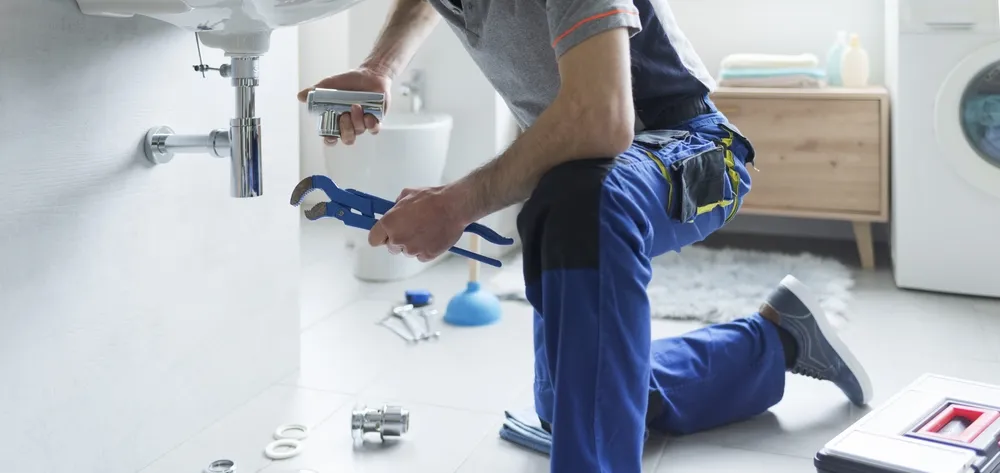
Fall is nature’s warning bell. The leaves change color, temperatures begin to drop, and winter quietly starts preparing its arrival. For homeowners in Richmond Hill, autumn is the perfect opportunity to prepare plumbing systems before freezing temperatures arrive.
Many winter plumbing emergencies don’t begin in winter at all. They start months earlier when small issues go unnoticed during the fall. Taking preventative action now can save thousands of dollars in repairs later.
This comprehensive checklist will help homeowners protect their plumbing in Richmond Hill before winter weather arrives.
🍂 Why Fall Plumbing Maintenance Matters
Richmond Hill winters can bring:
- Freezing temperatures
- Heavy snowfall
- Ice buildup
- Frozen ground
- Increased water heater demand
A plumbing system that isn’t properly prepared may experience:
- Frozen pipes
- Burst water lines
- Water heater failures
- Basement flooding
- Expensive emergency repairs
Think of fall maintenance as putting a winter coat on your home’s plumbing system before the cold arrives.
✅ 1. Disconnect and Store Outdoor Hoses
This is one of the simplest yet most important fall tasks.
Why it matters:
Water trapped inside connected hoses can freeze and expand, causing damage to:
- Outdoor faucets
- Hose bibs
- Interior pipe connections
Fall Checklist:
✔ Disconnect all garden hoses
✔ Drain remaining water
✔ Store hoses indoors for winter
A forgotten hose can lead to a surprisingly expensive repair.
🚰 2. Shut Off Exterior Water Supply Lines
Many Richmond Hill homes have dedicated shut-off valves for outdoor faucets.
Steps:
- Locate the shut-off valve.
- Turn off water flow to outdoor faucets.
- Open the outdoor faucet to drain remaining water.
This removes trapped water before freezing temperatures arrive.
🧊 3. Inspect and Insulate Exposed Pipes
Pipes located in unheated areas face the greatest freezing risk.
Common locations:
- Basements
- Garages
- Crawl spaces
- Utility rooms
- Exterior walls
Recommended upgrades:
- Foam pipe insulation
- Heat tape for vulnerable sections
- Additional insulation around exposed plumbing
This is one of the most effective ways to protect plumbing in Richmond Hill during winter.
🔥 4. Service Your Water Heater
Your water heater is about to enter its busiest season.
Fall maintenance tasks:
- Flush sediment from the tank
- Inspect pressure relief valves
- Check for corrosion or leaks
- Test temperature settings
Warning signs:
- Strange noises
- Rust-colored water
- Reduced hot water supply
- Visible corrosion
A water heater breakdown in January is much less fun than a maintenance appointment in October.
🚽 5. Check for Hidden Leaks
Small leaks become bigger problems when temperatures drop.
Inspect:
- Under sinks
- Around toilets
- Near water heaters
- Behind appliances
- Basement plumbing connections
Even tiny leaks can worsen during freeze-thaw cycles.
💧 6. Test Your Sump Pump
While sump pumps are often associated with spring flooding, fall is a great time to verify everything is functioning properly.
Simple test:
- Pour water into the sump pit.
- Confirm the pump activates.
- Ensure water drains correctly.
Consider:
- Battery backup systems
- Backup pump installation
Reliable sump pumps protect homes year-round.
🌧️ 7. Clean Gutters and Downspouts
Though technically not plumbing, roof drainage directly impacts your home’s water management system.
Remove:
- Leaves
- Twigs
- Debris
Verify:
- Downspouts direct water away from the foundation
- Water flows freely
Proper drainage helps protect both foundations and plumbing in Richmond Hill homes.
🏠 8. Seal Drafts Near Plumbing Areas
Cold air entering through small gaps can expose nearby pipes to freezing temperatures.
Inspect:
- Basement windows
- Utility penetrations
- Crawl space vents
- Exterior wall openings
Sealing drafts improves both plumbing protection and energy efficiency.
🚿 9. Inspect Drains and Sewer Lines
Fall is an excellent time to identify drainage issues before winter arrives.
Watch for:
- Slow drains
- Gurgling sounds
- Recurring clogs
- Sewage odors
These may indicate developing sewer problems that become more difficult to address during winter.
Professional drain inspections can identify issues before they become emergencies.
🌳 10. Address Tree Root Problems
Tree roots remain active well into fall and can continue invading sewer lines.
Common symptoms:
- Frequent drain backups
- Slow drainage
- Multiple clogged fixtures
Older neighborhoods often experience root-related issues affecting plumbing in Richmond Hill, especially before winter.
🧠 11. Install Smart Leak Detection Devices
Modern plumbing technology offers additional protection during winter.
Smart systems can:
- Detect leaks instantly
- Send phone alerts
- Monitor unusual water flow
- Shut off water automatically in some systems
These devices are particularly valuable for homeowners who travel frequently during winter.
👨🔧 12. Schedule a Professional Plumbing Inspection
A professional inspection can uncover issues homeowners may miss.
An inspection may include:
- Pipe condition assessment
- Leak detection
- Water heater evaluation
- Sewer line inspection
- Drain testing
- Winterization recommendations
Preventative maintenance is almost always less expensive than emergency repairs.
📋 Quick Fall Plumbing Checklist
Before winter arrives, make sure you’ve completed:
✅ Disconnect outdoor hoses
✅ Shut off exterior faucets
✅ Insulate exposed pipes
✅ Service water heater
✅ Inspect for leaks
✅ Test sump pump
✅ Clean gutters
✅ Seal drafts
✅ Check drains
✅ Monitor sewer performance
✅ Consider smart leak protection
✅ Schedule professional inspection
Conclusion
Fall is the ideal time to prepare your plumbing system for the challenges of a Richmond Hill winter. A few hours of preventative maintenance today can prevent frozen pipes, water damage, and costly emergency repairs later.
By following this checklist and working with professionals experienced in plumbing in Richmond Hill, homeowners can enjoy the winter season with confidence, knowing their plumbing system is ready for whatever the Canadian weather brings.
When it comes to winter plumbing protection, the best strategy is simple: prepare in the fall and relax in the winter. 🍂❄️💧