
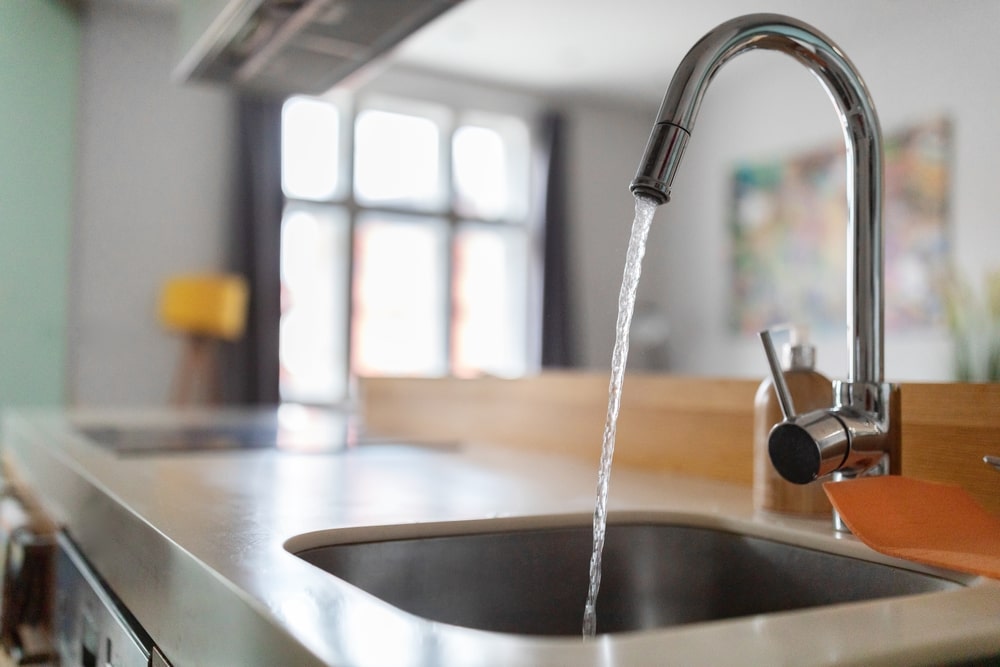
With rising environmental awareness and growing concerns about sustainability, homeowners in Richmond Hill are increasingly looking for ways to reduce water waste. From high utility bills to unnecessary environmental strain, wasted water is a problem that impacts both your finances and the planet.
Fortunately, reducing water usage doesn’t require a complete lifestyle overhaul. In many cases, a few smart changes—especially to your home’s plumbing—can make a significant difference. In this article, we’ll explore practical strategies for cutting down on water waste, all while improving the efficiency of your plumbing in Richmond Hill.
1. Fix Leaks Promptly
Even a small leak can waste hundreds of liters of water over time. Common culprits include:
-
Dripping faucets
-
Running toilets
-
Leaking pipe joints under sinks or in basements
Why it matters:
Leaks not only waste water but can also lead to mold, structural damage, and inflated water bills. Residents should schedule regular inspections with professionals who specialize in plumbing in Richmond Hill to detect and repair leaks early.
2. Upgrade to Water-Efficient Fixtures
Outdated faucets, toilets, and showerheads often use more water than necessary. Replacing them with modern, low-flow or WaterSense-certified fixtures can significantly reduce consumption.
Recommended upgrades:
-
Dual-flush toilets
-
Aerated faucets
-
Low-flow showerheads
-
High-efficiency dishwashers and washing machines
These improvements are a one-time investment that pays off with long-term savings.
3. Install Smart Plumbing Technology
Smart home technology has revolutionized how we manage resources—plumbing included. Devices such as leak detectors, water usage monitors, and automatic shut-off valves can help you stay in control.
Benefits:
-
Monitor usage in real time
-
Detect abnormal water flow
-
Receive alerts via mobile apps
Partnering with a plumber experienced in plumbing in Richmond Hill ensures proper installation and setup.
4. Practice Water-Wise Habits in the Kitchen and Bathroom
Often, reducing water waste comes down to simple behavioral changes. Encourage household members to:
-
Turn off the tap while brushing teeth or shaving
-
Run dishwashers and washing machines only with full loads
-
Thaw frozen foods in the fridge instead of under running water
-
Rinse vegetables in a bowl rather than under an open tap
Small shifts in daily routines can lead to big savings.
5. Optimize Outdoor Water Use
Many homes in Richmond Hill have gardens, lawns, or patios that require regular watering—but outdoor water use is often overlooked when it comes to efficiency.
Tips for saving water outdoors:
-
Water early in the morning or late in the evening to reduce evaporation
-
Use rain barrels to collect and reuse rainwater
-
Choose drought-tolerant plants native to Ontario
-
Install drip irrigation systems for gardens
A local expert in plumbing in Richmond Hill can also help you set up an efficient irrigation system that minimizes waste.
6. Insulate Pipes to Prevent Wasted Hot Water
When pipes aren’t insulated—especially during Richmond Hill’s colder months—your water heater has to work harder to deliver hot water, and cold water may be wasted while waiting for it to warm up.
Solution:
-
Insulate hot water pipes in crawlspaces and basements
-
Upgrade to a tankless water heater for on-demand heating
7. Schedule a Plumbing Audit
If you’re serious about reducing water waste, consider scheduling a full plumbing audit. A certified plumber can assess your home’s water usage, identify problem areas, and recommend targeted improvements.
Bonus: Many professionals specializing in plumbing in Richmond Hill are familiar with local rebates and can advise you on savings programs for water-efficient upgrades.
Conclusion
Water conservation is both a responsibility and an opportunity. By upgrading fixtures, changing habits, and working with local plumbing professionals, Richmond Hill residents can make a positive impact on their utility bills and the environment.
Improving your plumbing in Richmond Hill doesn’t just reduce waste—it creates a more efficient, sustainable, and cost-effective home for the future.
Want to cut your water bill and protect the planet? Contact a local plumbing expert today to start your water-saving journey.