
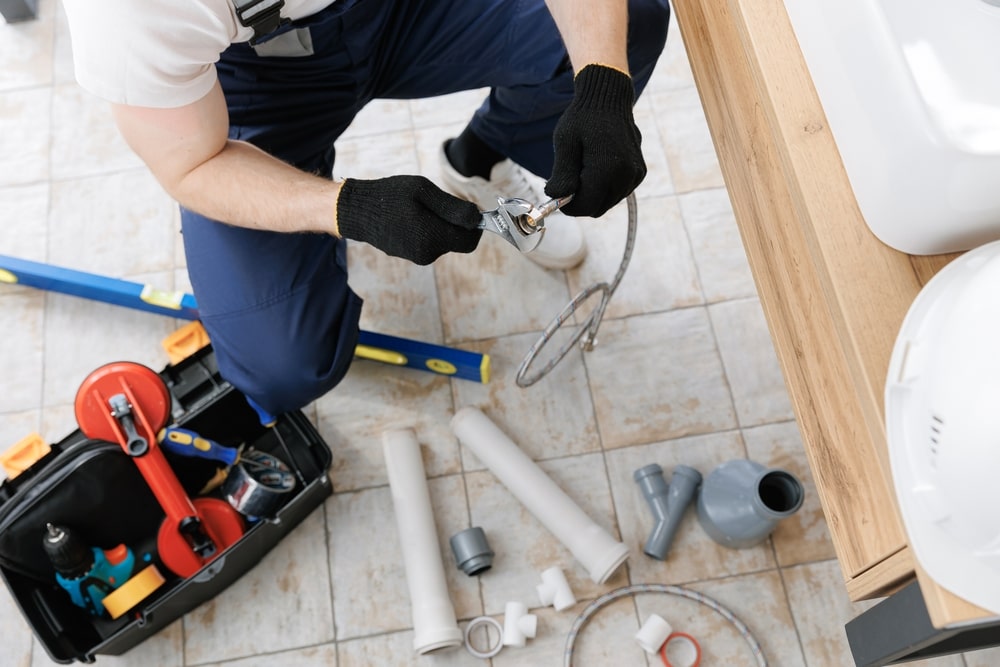
Richmond Hill’s picturesque winters bring snow-covered landscapes and cozy nights by the fire — but they also bring freezing temperatures that can wreak havoc on your home’s plumbing system. Burst pipes, frozen water lines, and leaks are common cold-weather issues that can lead to costly damage. Fortunately, with the right preparation and maintenance, you can protect your plumbing in Richmond Hill and enjoy a worry-free winter season. In this article, we’ll explore practical tips to safeguard your home’s plumbing from the harsh winter conditions.
1. Insulate Exposed Pipes
One of the most effective ways to prevent frozen pipes is to insulate them, especially those in unheated areas like basements, garages, crawl spaces, and attics.
Tips:
-
Use foam pipe insulation or heat tape to wrap pipes.
-
Pay special attention to outdoor hose bibs and pipes running along exterior walls.
-
Don’t forget pipes under kitchen and bathroom sinks — these areas are prone to freezing when cabinet doors are closed.
2. Disconnect and Drain Outdoor Hoses
Before the first deep freeze hits, disconnect garden hoses and drain water from outdoor faucets.
Why it matters:
-
Leaving hoses connected can cause water to back up into the faucet and freeze, leading to cracked pipes.
-
Install insulated covers on outdoor faucets for extra protection.
3. Keep a Slow Drip During Extreme Cold
During especially cold nights, keep a slight trickle of water running from faucets connected to vulnerable pipes.
How this helps:
-
Running water is less likely to freeze.
-
The constant movement relieves pressure inside the pipes, reducing the risk of bursts.
4. Open Cabinet Doors
On extremely cold days, open the cabinet doors in the kitchen and bathrooms.
Why this helps:
-
This allows warm indoor air to circulate around the pipes, reducing the chance of freezing.
-
Especially important for pipes located along exterior walls.
5. Seal Gaps and Cracks
Cold air can enter your home through gaps around doors, windows, and where pipes enter the house.
What to do:
-
Use caulk or spray foam to seal any visible cracks or gaps.
-
Weather-strip doors and windows to keep cold drafts out and warm air in.
6. Maintain Your Water Heater
Your water heater works harder during the winter months. Make sure it’s ready for the increased demand.
Checklist:
-
Flush your water heater to remove sediment buildup.
-
Insulate the water heater tank and pipes for better energy efficiency.
-
Set the temperature to around 120°F for optimal performance.
If you experience any issues with your water heater, it’s best to contact a professional specializing in plumbing in Richmond Hill to avoid mid-winter breakdowns.
7. Know Where Your Main Water Shut-Off Valve Is
In the event of a frozen or burst pipe, quickly shutting off the main water valve can prevent extensive damage.
Tips:
-
Locate your main shut-off valve (usually in the basement or near the water meter).
-
Make sure everyone in your household knows where it is and how to operate it.
8. Schedule a Pre-Winter Plumbing Inspection
One of the best ways to prepare your home’s plumbing system for winter is by scheduling a professional inspection.
A licensed plumber in Richmond Hill can:
-
Check for existing leaks or weak spots in your pipes.
-
Ensure your sump pump is in good working condition.
-
Recommend additional preventative measures tailored to your home.
9. Prepare for Extended Absences
If you plan to leave town during the winter months, take extra precautions:
-
Turn off the main water supply.
-
Drain water from faucets and flush toilets to empty the pipes.
-
Set your thermostat to at least 13°C (55°F) to prevent freezing.
10. Act Quickly if Pipes Freeze
Despite your best efforts, pipes can sometimes freeze. If that happens:
-
Turn off the main water supply immediately.
-
Open the affected faucet to relieve pressure.
-
Use a hair dryer or space heater to gently warm the pipe.
-
Never use an open flame to thaw pipes.
If you’re unable to thaw the pipe or suspect it has burst, contact an emergency plumber who specializes in plumbing in Richmond Hill right away.
Conclusion
Richmond Hill’s cold winters can pose challenges for your home’s plumbing system, but with proactive maintenance and the right preventative steps, you can avoid costly and stressful issues. From insulating pipes and draining outdoor faucets to scheduling a pre-winter plumbing inspection, these measures will help you protect your plumbing in Richmond Hill and enjoy a cozy, problem-free winter season.
If you need expert help preparing your plumbing for winter, don’t hesitate to contact a trusted plumbing professional in Richmond Hill — because prevention is always better than repair!