
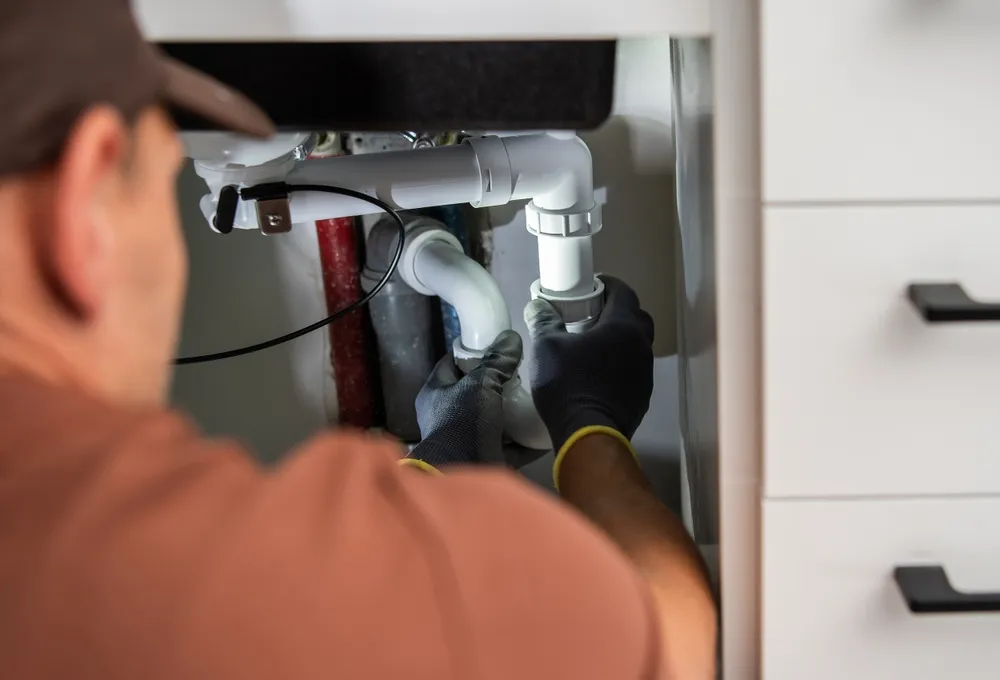
Spring in Richmond Hill arrives with blooming trees, melting snow… and a surprising amount of water. Between heavy rainfall, thawing ground, and overloaded drainage systems, spring is one of the busiest seasons for plumbing emergencies.
For homeowners, this season can quietly test the limits of basements, sump pumps, sewer lines, and drainage systems. The good news? A little preparation before the rain arrives can prevent major headaches later.
Here’s how to prepare your plumbing in Richmond Hill for spring rain season and keep your home dry, protected, and stress-free.
🌧️ 1. Test Your Sump Pump Before the Storms Arrive
Your sump pump is basically your basement’s bodyguard during spring.
How to test it:
- Pour a bucket of water into the sump pit
- Ensure the pump activates properly
- Confirm water drains away from the home
Watch for warning signs:
- Strange noises
- Delayed activation
- Excessive vibration
- Failure to pump efficiently
A failed sump pump during a storm can turn a basement into an indoor swimming pool remarkably fast.
🔋 2. Install a Battery Backup for Your Sump Pump
Spring storms sometimes bring power outages, which is deeply ironic because your sump pump needs electricity most during storms.
A battery backup system:
- Keeps your sump pump running during outages
- Reduces flood risk dramatically
- Adds peace of mind during severe weather
This is one of the smartest investments for modern plumbing in Richmond Hill homes.
🚰 3. Check Your Drains for Slow Flow
Heavy rain puts enormous pressure on drainage systems.
Warning signs of trouble:
- Slow basement floor drains
- Gurgling noises
- Bad smells from drains
- Water backing up slightly
These may indicate developing blockages or sewer issues that could worsen during storms.
Professional drain cleaning before spring often prevents emergency calls later.
🌳 4. Watch for Tree Root Intrusion
Spring is growth season… for trees and their roots.
Tree roots naturally seek moisture and frequently invade older sewer lines through tiny cracks.
Possible symptoms include:
- Repeated drain clogs
- Slow wastewater movement
- Sewage odors
Many older neighborhoods dealing with plumbing in Richmond Hill experience this exact problem during spring.
🧱 5. Inspect Your Foundation Drainage
Your plumbing system doesn’t work alone. Exterior drainage matters too.
Check for:
- Pooling water near the foundation
- Downspouts draining too close to the house
- Improper yard grading
Water should always flow away from your home, not toward it like an enthusiastic tourist.
🚽 6. Consider Installing a Backwater Valve
A backwater valve prevents sewage from flowing backward into your home during municipal sewer overloads.
Why it matters in spring:
- Heavy rainfall can overwhelm city sewer systems
- Backups often occur during rapid snowmelt or storms
- Basements are especially vulnerable
This upgrade has become increasingly popular in plumbing in Richmond Hill because it provides serious protection against costly sewer backups.
🧼 7. Clean Gutters and Downspouts
Technically not plumbing… but absolutely connected to plumbing problems.
Clogged gutters:
- Overflow near foundations
- Increase basement moisture
- Add stress to drainage systems
Best practice:
- Clear debris before spring rain intensifies
- Extend downspouts several feet from the house
Think of gutters as your roof’s drainage plumbing.
💧 8. Inspect for Hidden Winter Damage
Winter may leave behind tiny plumbing issues that become obvious once spring moisture arrives.
Look for:
- Cracked outdoor faucets
- Damp basement walls
- Pipe leaks from freeze-thaw stress
- Water stains near ceilings or walls
Early spring inspections help catch these before they evolve into expensive repairs.
🧠 9. Install Smart Water Monitoring Systems
Modern smart plumbing systems can:
- Detect leaks instantly
- Monitor unusual water flow
- Send emergency alerts to your phone
These systems act like a 24/7 security team for your plumbing.
Many homeowners upgrading plumbing in Richmond Hill are now including smart leak technology as part of spring flood prevention.
👨🔧 10. Schedule a Professional Plumbing Inspection
Sometimes the best spring preparation is simply letting experts evaluate your system before heavy rain begins.
Professional inspections can:
- Identify hidden vulnerabilities
- Test drainage systems
- Inspect sump pumps and sewer lines
- Recommend preventive upgrades
Preventive maintenance almost always costs less than emergency restoration.
💰 Why Spring Plumbing Preparation Matters
Ignoring spring preparation can lead to:
- Basement flooding
- Sewer backups
- Mold growth
- Water damage repairs
- Insurance headaches
Meanwhile, proper preparation provides:
✅ Peace of mind
✅ Better drainage performance
✅ Reduced flood risk
✅ Lower long-term repair costs
Conclusion
Spring rain season in Richmond Hill can place serious pressure on home plumbing systems—but preparation changes everything. From sump pump maintenance to sewer protection and smart monitoring systems, small preventative steps can save thousands in future damage.
Protecting your plumbing in Richmond Hill before heavy rainfall arrives is one of the smartest things a homeowner can do.
Because when spring storms arrive, the best plumbing strategy is simple: stay ready before the first drop falls. 🌧️💧