
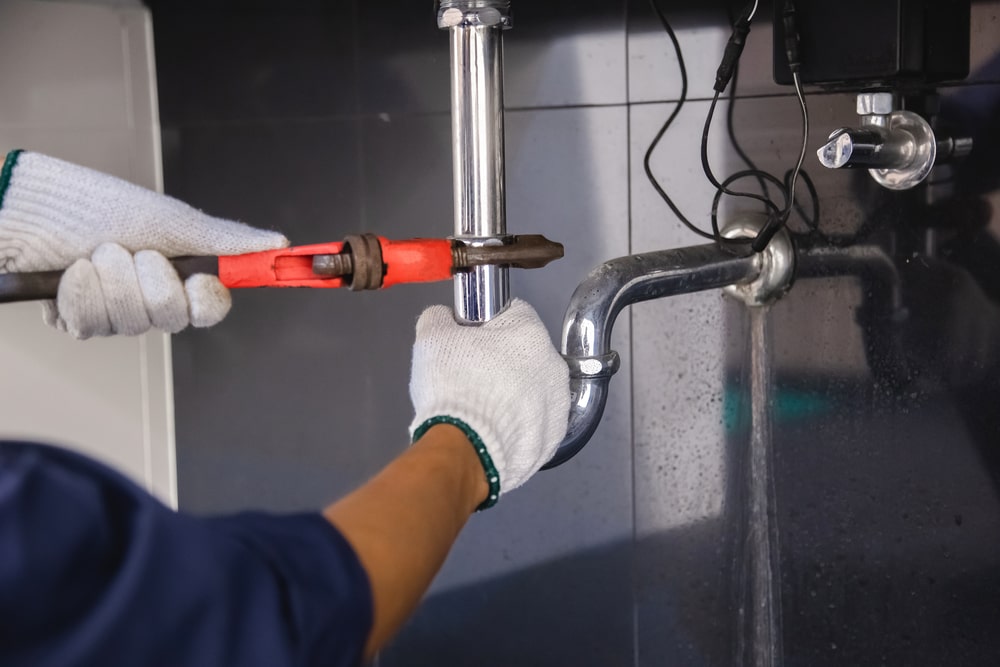
A flooded basement is one of the most stressful and costly home emergencies Richmond Hill homeowners can face. Whether caused by heavy rainfall, a burst pipe, or a sump pump failure, basement flooding can lead to property damage, mold growth, and expensive repairs.
The key to minimizing damage is knowing what steps to take immediately—and when to call in professionals. In this guide, we’ll explain what to do if your basement floods, and how having a trusted plumbing in Richmond Hill expert on your side can make all the difference.
Step 1: Put Safety First
Before doing anything else, make sure it’s safe to enter the flooded area.
-
Turn off electricity to the basement if it’s safe to do so. Standing water and live electrical circuits are a dangerous mix.
-
Wear protective gear like waterproof boots, gloves, and a mask to avoid contact with contaminated water.
-
Avoid entering the basement if the water level is high or the source is unknown—wait for professionals.
Step 2: Identify the Source of the Flooding
Finding the cause is crucial to preventing more water from entering the basement. Common causes include:
-
Heavy rainfall or poor drainage around the home
-
Burst or leaking pipes
-
Sewer backups
-
Malfunctioning sump pumps
If the flooding is due to plumbing issues, turn off your home’s main water supply and contact a professional who specializes in plumbing in Richmond Hill immediately.
Step 3: Stop the Flow of Water
Once you’ve identified the cause:
-
Shut off the water supply if it’s a burst pipe.
-
Clear gutters and downspouts if heavy rain is the culprit.
-
Check your sump pump for clogs or mechanical failures.
Quick action here can prevent further damage.
Step 4: Document the Damage for Insurance
Before removing anything, take detailed photos and videos of the affected area. Include:
-
Water levels in the basement
-
Damaged furniture, appliances, or flooring
-
Any visible plumbing damage
This documentation will be essential for filing an insurance claim.
Step 5: Remove Standing Water
Depending on the severity of the flooding:
-
Use a wet/dry vacuum for small amounts of water
-
Rent a submersible pump for larger floods
-
For extreme cases, call a professional water damage restoration service
Make sure to work with experts in plumbing in Richmond Hill to ensure the water source is fully addressed before cleanup.
Step 6: Dry and Disinfect the Basement
Once the water is gone, act quickly to prevent mold and mildew:
-
Use fans and dehumidifiers to speed up drying
-
Remove and discard water-damaged carpeting and insulation
-
Clean all surfaces with a disinfectant solution
Step 7: Prevent Future Basement Flooding
To protect your home long-term:
✅ Install or upgrade a sump pump with a battery backup
✅ Ensure proper grading around your home to direct water away from the foundation
✅ Schedule annual plumbing inspections
✅ Install a backwater valve to prevent sewer backups
✅ Work with plumbing in Richmond Hill experts to assess your home’s drainage system
Conclusion
A flooded basement is a stressful situation, but acting quickly and safely can save you time, money, and headaches. By identifying the cause, stopping the water source, and working with trusted plumbing in Richmond Hill professionals, you can restore your basement and protect your home from future flooding.
Need urgent plumbing help in Richmond Hill? Contact a licensed plumber right away to handle the problem and prevent it from happening again.